On Sunday evenings, my mother baked pizza, my father spread a white bedsheet on the family room floor, and my brother turned on the TV. As a family, we never missed 60 Minutes. The stories opened my eyes to politics, science, technology, arts, and more. I learned about the quiet heroism and brazen fraud of people I would never meet.
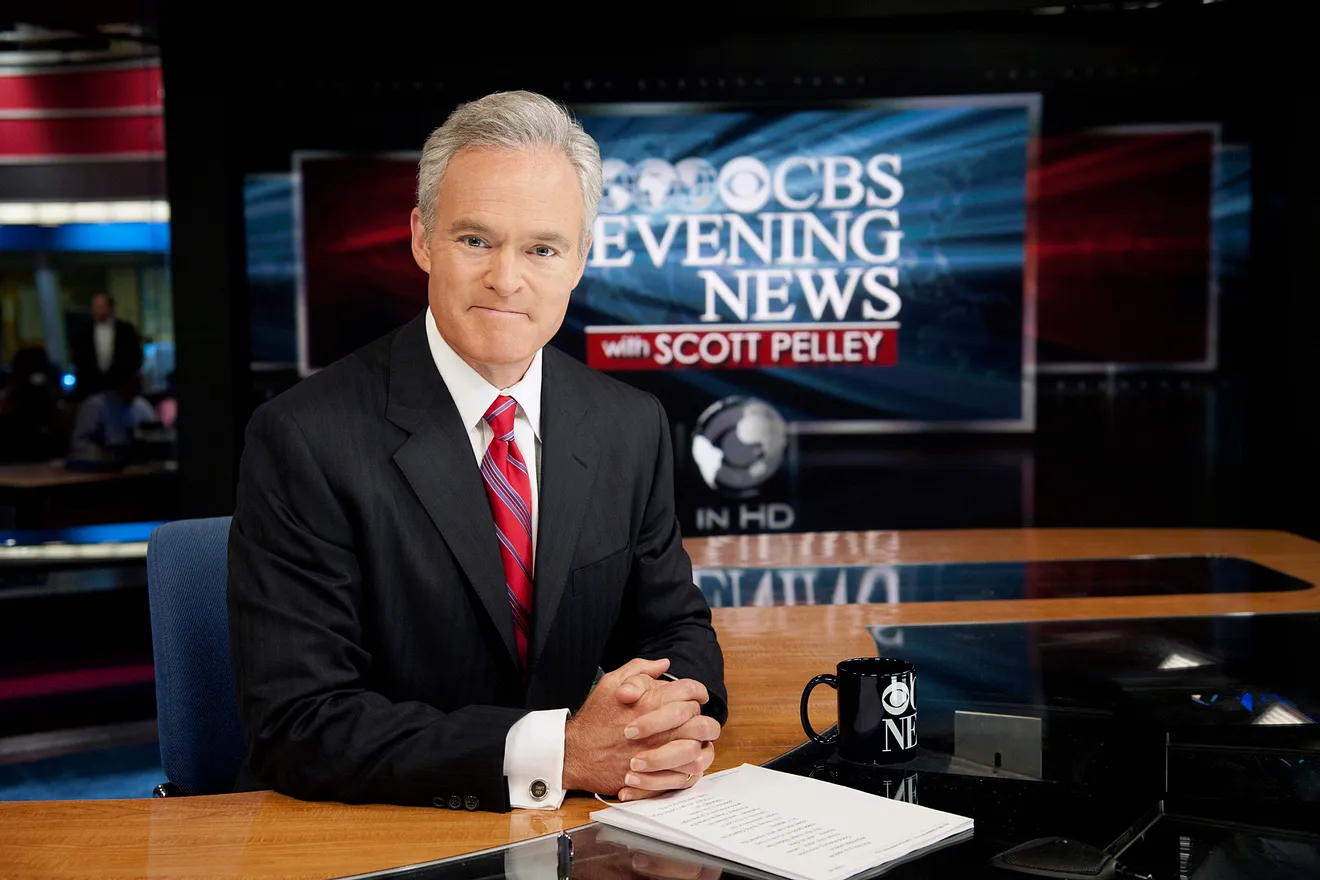
The world is rarely black and white. The story you think you understand turns out to have another side. Week after week, 60 Minutes helped me navigate the gray. It cut through the noise without pretending things were simple. That kind of trust runs deep, and it eventually moved our whole family from NBC Nightly News with John Chancellor and David Brinkley, over to CBS News with Norah O'Donnell and Scott Pelley.
The 60 Minutes reporters had a knack for showing, not just telling. They found a fresh angle to a common story. They elegantly displayed when politicians lied, corporate executives cheated, technologists innovated, and artists sparkled.
Every Sunday night in our family room, our right to a free press was on full display when presidents or wanna-be presidents faced tough questions from the reporters, who were my voice in the room. And somewhere in the back of my mind lived a quiet dream: that one day I might sit across from one of them and tell a story worth telling.
Last year, nearly 9 million viewers tuned in each Sunday, and this past season, viewership grew by 9 percent. In the age of social media and internet distractions, the audience was not leaving, and trust for 60 Minutes was growing.
Moving beyond 60 Minutes
I never gave a thought to the people behind the camera: the producers, the chief editors, and the CEOs at CBS. I assumed they were looking out for me, the viewer. And then, without warning, they made decisions that undid years of trust. It made no sense when four executives and two reporters were fired from the program. And then came the news that hit hardest: Scott Pelley, a veteran reporter and a familiar face in our family room for decades, was gone too.
What can I do? I am one person, one viewer, one family that spreads a white bedsheet on the floor every Sunday night. I ask myself: why would Scott Pelley sabotage his own career? Why would a man at the peak of his craft pick a fight? That question has no good answer, and that silence is what bothers me most. The official explanations from CBS felt empty.
Something feels wrong, not politically wrong, not procedurally wrong, but morally wrong, in the gut. I asked my father, who was born before the Second World War, a man who has watched governments rise and fall. He did not hesitate. "This is how democracies unravel," he said. "When no one is paying attention."
I used to believe the system would hold. The free press would guard free speech. The Constitution would protect us. Politicians would defend our rights. I believed all of it.
But the real doorstop against moral and ethical failure is not a document or an institution. It is people. The people who hire executives and the people who elect politicians. The moment we have to wonder whether those decisions were made for the public or for self-serving individuals in power, that is when the trust is gone.
Ours is a 250-year-old democracy. It has survived wars, divisions, and crises far greater than this one. But it has never survived on its own. It survives because ordinary people refuse to look away. The doorstop is not a document. It is us. We just have to look in the mirror.
Last week, as a family, we stopped watching 60 Minutes and CBS News. It was a small act. I know that. But it was the only honest one available to me.
I keep looking for leaders with the moral courage to do what is hard when it would be easier to stay quiet. I think of former Arizona US Rep. Liz Cheney, a lifelong conservative who knew that speaking the truth would cost her career, her party, and her standing, and she spoke anyway. That is what authentic leadership looks like. Refusing to let fear make the decision.
The executives at CBS have a choice. The leaders in our institutions have a choice. And so do we, the viewers, the voters, the ordinary people who teach our children that truth matters.
I hope someone with courage steps forward and 60 Minutes finds its way back. For now, I don’t think I will ever watch 60 Minutes or watch it with the faith and trust I did for the past 50 years.
Manoj Jain is a physician based in Memphis.
Source: Commercial Appeal